

Commercial Solar A Smart Investment for Businesses
June 25, 2026 Solar ProIn today’s business world, sustainability is more than a buzzword. It’s a strategic advantage. Companies are increasingly turning to renewable energy. Solar power is at the forefront of this shift.
Commercial solar installations offer numerous benefits. They reduce energy costs and provide a high return on investment. Many businesses are discovering the financial advantages of solar energy solutions.
Governments are encouraging this transition. They offer commercial solar incentives like tax credits and rebates. These incentives make solar power an even smarter investment.
Business solar panels also enhance a company’s image. They appeal to eco-conscious consumers and stakeholders. This can lead to increased brand loyalty and customer trust.
The cost of solar panels has dropped significantly. This makes them more accessible for businesses of all sizes.
Solar energy solutions are not just about savings. They contribute to a sustainable future.
Investing in commercial solar is a strategic move. It positions businesses for long-term success.
Why Commercial Solar Makes Financial Sense
Investing in commercial solar is a smart financial decision. Businesses can significantly reduce energy bills. Solar power provides long-term cost savings.
As utility rates rise, solar offers a buffer. You lock in energy costs, shielding your business from fluctuations. This predictability aids financial planning.
The return on investment (ROI) for solar is compelling. Most systems pay for themselves within a few years. After that, savings continue to grow.
Here’s why it makes financial sense:
- Reduced energy costs
- Energy price stability
- Strong ROI and quick payback period
The cost of solar installations has decreased over the years. Technological advances have driven these reductions. This trend makes solar more accessible.
Moreover, solar installations can increase property value. Potential buyers or tenants see solar as an asset. It’s an attractive feature in the real estate market.
Businesses utilizing solar may also benefit from net metering. You can sell excess energy back to the grid. This creates an additional revenue stream.
These financial benefits make solar a wise choice. It’s not just about sustainability but also profitability. Investing in solar strengthens the bottom line.
Understanding Solar Power ROI for Businesses
The concept of return on investment (ROI) is crucial in business. Solar power provides an attractive ROI for companies. It combines cost savings and revenue generation.
Initial investment in solar can be substantial. However, the long-term savings justify the expense. Businesses often see ROI within a few years.
Here are factors contributing to solar ROI:
- Lowered energy expenses
- Government incentives and rebates
- Potential revenue from excess energy sales
The payback period for solar systems is decreasing. This is due to falling panel costs and efficiency improvements. Businesses start saving sooner than expected.
ROI calculations must include various elements. Consider installation costs, energy savings, and incentives. This holistic view provides a clear financial picture.
Choosing the right financing option enhances ROI. Businesses have access to loans, leases, and power purchase agreements. Each option affects ROI differently.
In conclusion, solar’s ROI is competitive. As solar technology evolves, the financial benefits will expand further. Businesses investing in solar today can look forward to a bright future.
Commercial Solar Incentives: Tax Credits, Rebates, and More
Government incentives make commercial solar even more appealing. These incentives offset the initial investment cost. Many programs are available at different government levels.
Federal tax credits are one of the most significant benefits. Businesses can receive a substantial percentage back. This reduces the overall cost of solar installations.
In addition to tax credits, rebates offer financial relief. Various states and local governments provide these rebates. They offer immediate savings upon installation.
Key incentives include:
- Federal Investment Tax Credit (ITC)
- State-specific solar rebates
- Performance-based incentives
The Federal ITC is a noteworthy incentive. It offers a percentage reduction in costs. Understanding these incentives is crucial for maximizing savings.
Performance-based incentives reward solar energy generation. These incentives pay businesses based on their solar output. It’s an attractive proposition for ongoing savings.
Businesses must research available incentives thoroughly. Incentives can change, affecting potential savings. Expert advice is often essential for navigating these options.
Engaging professionals ensures businesses maximize financial returns. Properly utilizing incentives significantly increases solar’s value. This makes commercial solar a wise investment decision.
Types of Commercial Solar Installations
Commercial solar installations come in various forms, each suited to different needs. Businesses can choose installations based on their specific situations.
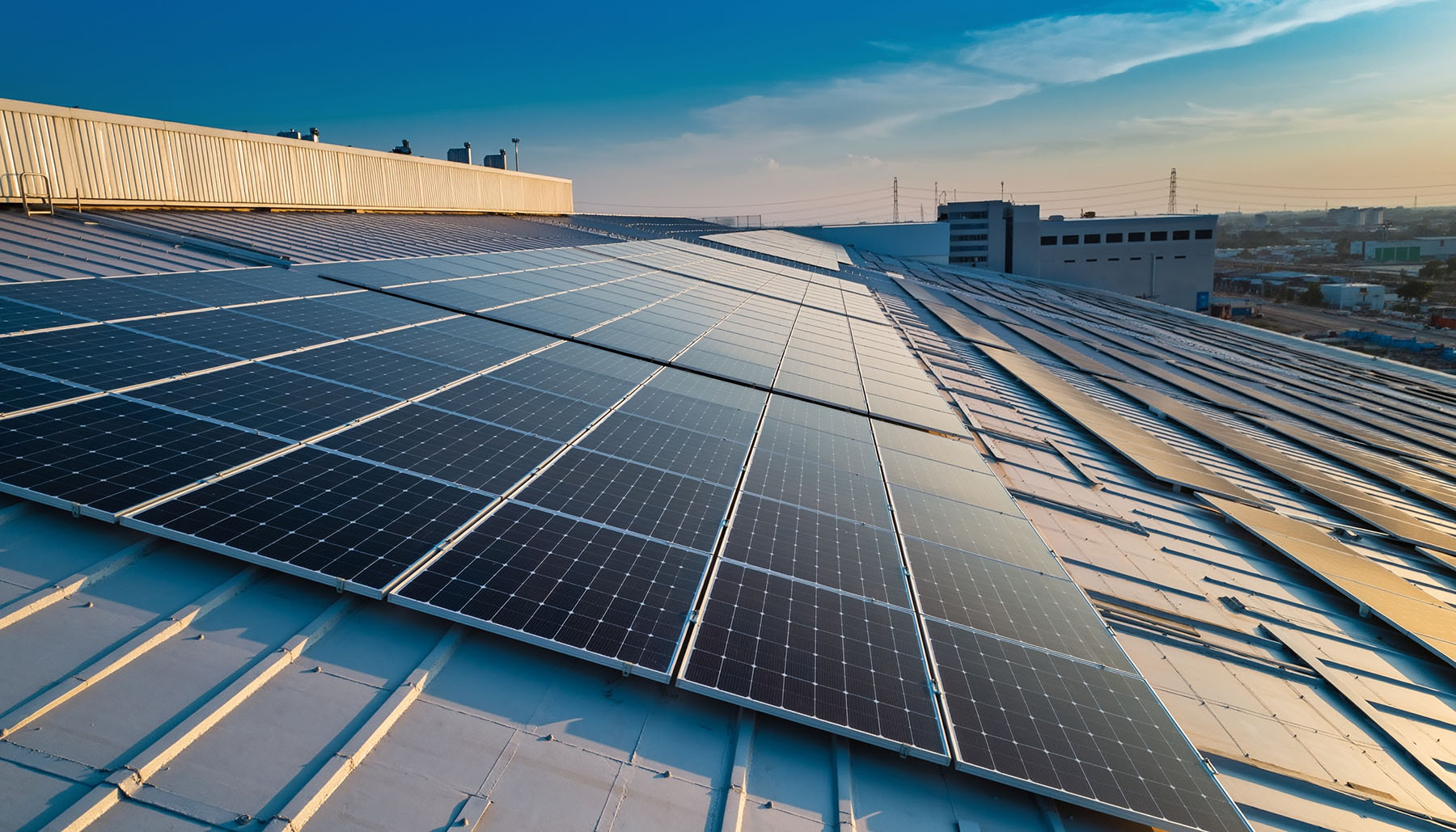
Rooftop solar panels are common in urban settings. These installations utilize unused rooftop spaces. They are ideal for businesses with large, flat roofs.
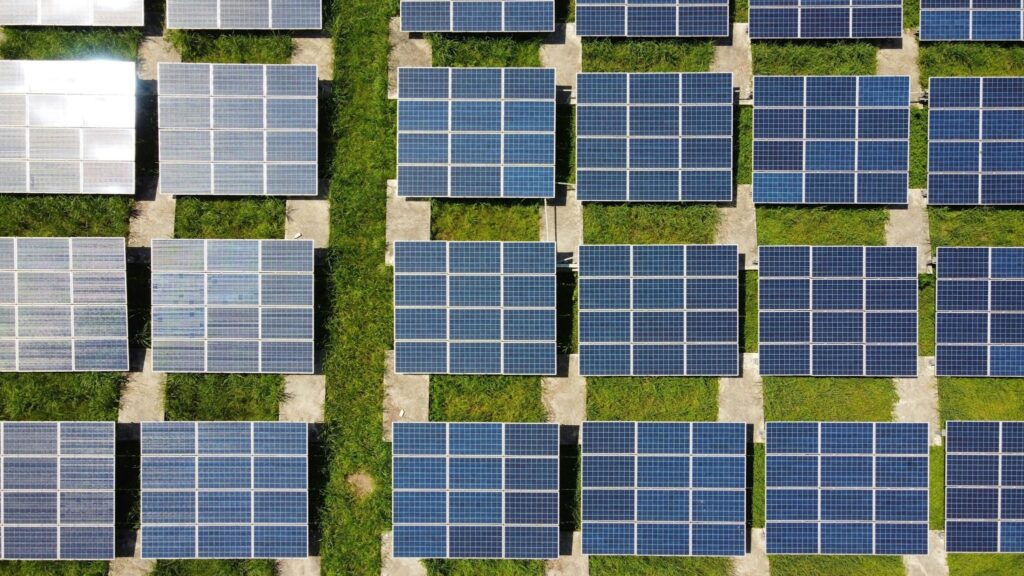
Ground-mounted systems are another option. They provide flexibility in placement. These installations are perfect for businesses with available land areas.
Businesses can also consider solar carports. These installations provide dual benefits. They generate power while offering shaded parking spaces.
Key types include:
- Rooftop solar panels
- Ground-mounted solar arrays
- Solar carports and canopies
Choosing the right installation type depends on various factors. Space availability, energy needs, and budgets play crucial roles. Each type offers unique advantages and potential returns.
Making an informed decision requires careful consideration. Consulting with a solar expert can help. They provide insights tailored to business needs.
How Business Solar Panels Work
Solar panels convert sunlight into electricity. They use photovoltaic cells to accomplish this. When sunlight hits the panels, it excites electrons.
This excitement generates direct current (DC) electricity. An inverter then converts DC into alternating current (AC). AC is the form of electricity used by businesses.
The generated electricity can power various business operations. Excess energy can be stored in batteries. It can also be fed back to the grid through net metering.
Understanding this process is essential. It highlights the efficiency of solar technology. Business owners can see how solar energy directly benefits their operations. By harnessing solar power, businesses can reduce electricity costs.
The Installation Process: What to Expect
Installing commercial solar panels is straightforward. It begins with an initial assessment. Experts evaluate your business’s energy needs and space availability.
Once a custom solar plan is created, it moves to the design phase. Here, technicians tailor the system to fit your site. This phase ensures maximum efficiency and compatibility.
Next, the actual installation occurs. Professional installers will mount the panels and connect the system. They ensure everything meets safety standards and regulations.
A typical installation includes several steps:
- Permitting and scheduling
- Equipment delivery and roof preparation
- System installation and wiring
- Inspection and commissioning
Finally, the system is tested and activated. With minimal disruption, your business begins generating clean energy. This streamlined process often completes in a few weeks.
Financing Options for Commercial Solar Projects
Financing a commercial solar project can seem daunting at first. However, numerous options simplify this process. Businesses can choose from varied financial solutions tailored to their needs.
One popular option is solar loans. These allow businesses to own their systems while paying off the investment over time. Loans can be secured or unsecured, offering flexibility based on creditworthiness and terms.
Leases and power purchase agreements (PPAs) are other viable choices. With a lease, you pay to use the solar system, while the provider owns it. In a PPA, you purchase the electricity generated, often at a lower rate than utility prices.
Common financing options include:
- Solar loans
- Equipment leases
- Power purchase agreements (PPAs)
- Government grants and incentives
Government grants and incentives further reduce costs, making solar more affordable. With these solutions, the path to solar energy is both accessible and financially sound.
Maintenance, Monitoring, and Longevity of Solar Systems
Maintenance for solar systems is minimal, which adds to their appeal. Panels are durable and built to withstand harsh conditions. Routine inspections are the primary requirement, ensuring optimal performance.
Monitoring systems allow businesses to track energy production in real-time. Advanced software provides insights into system efficiency and identifies areas for improvement. This proactive approach helps maintain consistent output.
The longevity of solar systems is another benefit. Many systems last over 25 years, offering long-term savings. The durable materials used in manufacturing ensure longevity and reliability.

Key aspects of solar system upkeep include:
- Routine inspections
- Real-time performance monitoring
- Minimal maintenance requirements
Overall, solar systems offer peace of mind through their durability and minimal upkeep needs.
Environmental and Brand Benefits of Solar Energy Solutions
Solar energy is a clean and renewable resource. Choosing solar reduces carbon emissions and lessens dependency on fossil fuels. This transition supports global environmental goals.
Businesses adopting solar gain a competitive edge. Sustainability is increasingly important to consumers. A solar-powered business can attract eco-conscious customers.
The brand benefits are vast. Showcasing a commitment to renewable energy enhances a company’s image. It highlights corporate social responsibility and boosts public relations.
Key brand and environmental benefits include:
- Reduced carbon footprint
- Enhanced brand reputation
- Attraction of eco-conscious customers
Solar power supports a healthier planet. By investing in solar, businesses contribute positively to the environment. This move not only benefits the planet but also strengthens brand loyalty. Adopting solar can position a business as a leader in sustainability.
Overcoming Common Concerns and Misconceptions
Switching to solar can seem daunting. However, many concerns are based on misconceptions. Addressing these can help businesses make informed decisions.
One common myth is that solar is costly. While the initial investment can be high, long-term savings and incentives balance this.
Worried about efficiency on cloudy days? Solar technology is advanced. Panels can still generate energy even without direct sunlight.
Key misconceptions include:
- Solar is too expensive upfront
- Panels only work in full sun
- Maintenance is too demanding
Maintenance concerns are also overstated. Solar systems require minimal upkeep. With simple annual checks, systems can perform efficiently for decades. Understanding these truths can help ease potential reservations.
Case Studies: Real-World Business Solar Success Stories
Many businesses have already reaped the benefits of solar power. These success stories demonstrate solar’s potential.
A retail store reduced its energy bills by 60% after installing solar panels. The initial investment paid off within five years.
One manufacturing plant used solar to achieve energy independence. It cut down reliance on traditional power sources significantly.
A tech company leveraged solar power to boost its green credentials. This move attracted eco-conscious clients and improved brand loyalty.
Here are key success strategies:
- Installing on unused rooftop space
- Maximizing government incentives
- Leveraging solar for brand enhancement
These businesses not only enjoyed cost savings but also improved their market position. Solar investment aligns business goals with sustainability. These cases exemplify the transformative impact of commercial solar.
How to Choose the Right Commercial Solar Installer
Selecting a competent solar installer is crucial. They ensure a smooth installation and system performance.
Start by researching potential installers’ credentials and experience. A proven track record is essential for trust.
Look for companies with strong reviews and satisfied clients. These testimonials often reveal an installer’s true quality.
Consider these factors when choosing an installer:
- Experience in commercial installations
- Licensing and certifications
- Warranty offerings
- Customer service quality
A thorough evaluation ensures you pick the right partner. This decision impacts your solar project’s success. Choose wisely to maximize long-term benefits. A good installer becomes a reliable partner in your solar journey.
Next Steps: Evaluating and Implementing Solar for Your Business
Begin by assessing your business’s energy usage and future needs. This data helps design an effective solar solution.
Next, conduct a financial analysis. Compare current energy costs with projected savings from solar.
Consider these factors for implementation:
- Available incentives
- Financing options
- Installation timelines
Consult a reputable solar provider. They offer personalized guidance through each step of the process.
By methodically evaluating these elements, your business can make an informed decision. Going solar is a strategic move towards sustainability and cost savings. Once installed, your business will reap the benefits of renewable energy.
Frequently Asked Questions (FAQ)
1) What is the expected lifespan of commercial solar panels?
Solar panels typically last over 25 years. They remain efficient throughout their lifespan with minimal maintenance.
2) How do commercial solar installations impact property value?
Installing solar panels can increase property value. Many businesses find them an attractive feature for potential buyers.
3) Are there any hidden costs in solar installations?
Most costs are upfront, including equipment and installation. Maintenance expenses are minimal and usually predictable.
4) Can solar energy provide reliable power for businesses?
Yes, solar energy is reliable. Many businesses use battery storage or net metering for continuous power.
5) Do solar panels work during cloudy days?
Panels generate energy even when it’s cloudy. Their efficiency, however, is reduced compared to sunny conditions.
6) How long is the installation process for commercial solar?
The process typically spans a few weeks. It depends on project size and local permitting procedures.
7) What types of businesses benefit most from solar installations?
Almost all businesses, from small retail shops to large manufacturing plants, can benefit from solar.
8) Can businesses claim tax credits for solar installations?
Yes, commercial solar incentives often include federal tax credits, reducing overall costs significantly.
Contact Solar Pro Black Hills through solarproblackhills.com to schedule your solar consultation.