

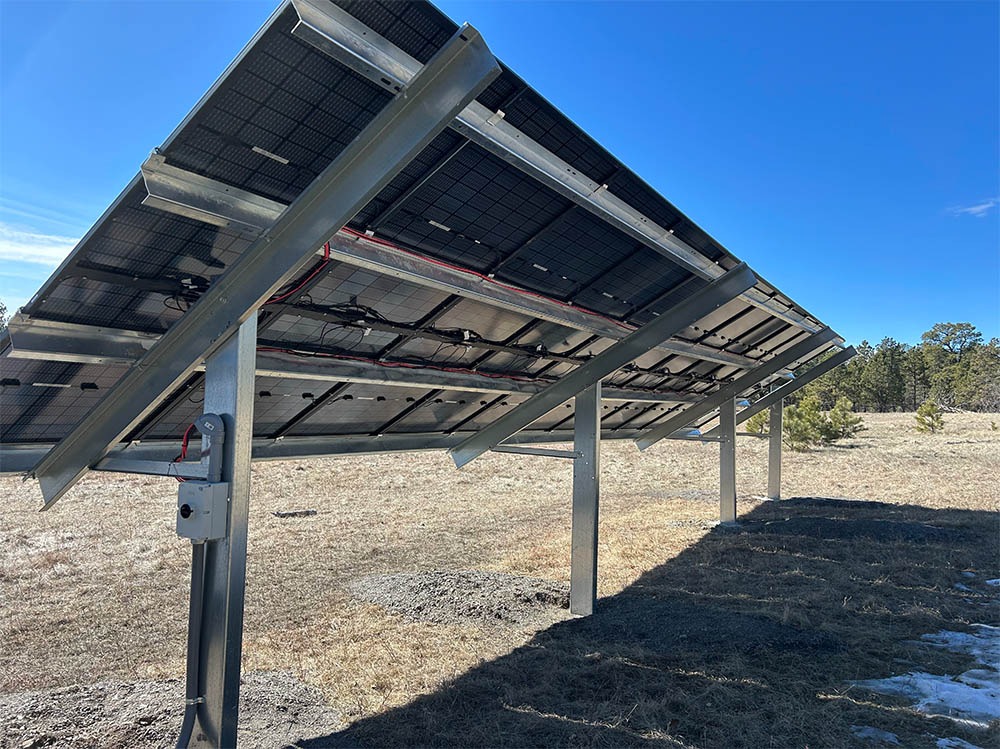
Grid-Interactive Systems: What They Are (and Why They Matter in the Black Hills)
February 25, 2026 Solar ProA grid-interactive system is what makes solar more practical, more reliable, and (in many cases) more cost-effective—especially here in the Black Hills, where weather changes fast and power needs can vary a lot between seasons.
Let’s break it down in plain English.
What Is a Grid-Interactive Solar System?
- Your solar panels produce electricity
- Your home uses what it needs in real time and the remainder goes to the battery
- Solar captured during the day is used during the evening hours
- Any extra energy can be sent back to the grid (always allowed)
- If you don’t produce enough (nighttime, cloudy weather), you pull power from the grid
The key ingredient: the inverter
- sync with the grid’s power
- monitor production and usage
- optimize power flow between solar, home loads, battery, and the utility
Grid-Interactive vs. Off-Grid: What’s the Difference?
Grid-Interactive (Most Common)
- You stay connected to the utility
- Solar helps reduce your electric bill
- Battery storage for backup time of use and peak shaving
- Backup loads, when managed correctly, can run indefinitely from solar
- Works great for most homes and businesses
Off-Grid (Less Common)
- No utility connection at all
- You must cover 100% of your energy needs yourself
- Requires a larger system and larger battery storage
- Typically used in remote locations
- When grid power is not available or economical
- Paired with a generator to provide power during low solar days ie limited sunlight due to snow cover and overcast days
Why Grid-Interactive Systems Matter to You
1) They help you save money without sacrificing reliability
2) They support a smarter, more stable energy system
- reducing strain during high-demand times
- smoothing out local energy use
- supporting future improvements in power reliability
3) They prepare you for batteries and backup power
But a grid-interactive solar system paired with battery storage can keep critical loads running, like:
- refrigeration
- Wi-Fi and devices
- sump pumps
- lighting
- medical equipment
- well pumps (in many setups)
- Heating for homes with gas or propane
4) They let you use energy when it makes the most sense
Depending on your utility rate structure and equipment, this can help:
- reduce peak demand use
- avoid higher-cost usage periods ie time of use and peak shaving (TOU)
- increase your overall ROI
What This Means for Solar in the Black Hills
The Black Hills area has a few solar realities that make grid-interactive systems especially important:
Weather swings + seasonal sunlight changes
Some properties are rural
Many homeowners outside of town want resilience. Grid-interactive systems can combine solar + battery for backup without going fully off-grid.
Power outages happen
Is a Grid-Interactive System Right for You?
- lower electric bills
- a solar system that works seamlessly with the utility
- the option to add battery storage later
- better resilience and energy flexibility
The Bottom Line: Grid-Interactive Solar Gives You Options
A grid-interactive system is about control—over your power, your monthly expenses, and your future upgrades.
Want to Know What Your Home Could Save With Solar?
- Are you a good candidate for solar?
- How much solar do you need?
- What your savings could look like?
- What incentives or financing options may apply?
FAQ: Grid-Interactive Solar Systems
1) What does “grid-interactive” mean in solar?
A grid-interactive solar system is connected to the utility grid and can share power back and forth. Your home uses solar energy first, then uses grid power when solar production isn’t enough.
2) Does a grid-interactive solar system work during a power outage?
3) Can I add additional battery backup later?
4) Will I still get an electric bill with grid-interactive solar?
5) What happens when my solar panels produce more power than I use?
6) What’s the difference between grid-interactive and off-grid solar?
7) Is a grid-interactive solar system worth it in South Dakota?
8) Do grid-interactive systems work in winter and snow?
9) How do I know what size solar system I need?
10) What should I ask a solar installer about grid-interactive systems?
Ask about:
- inverter type and warranty
- battery readiness and backup options
- estimated production and savings
- monitoring tools and performance tracking
- interconnection and permitting process
Ready to See What Solar Could Do for Your Home?
At Solar Pro Black Hills, we design systems that work with your property, your goals, and your budget—so you get real results, not a one-size-fits-all setup.
- Custom system design
- High-quality solar equipment
- Clean, professional installation
- Options for battery backup + future upgrades
Request a free solar estimate today at solarproblackhills.com and we’ll help you find the best system for your home or business.
Grid-Interactive Solar Systems Across the Black Hills
- Rapid City, SD
- Spearfish, SD
- Sturgis, SD
- Deadwood, SD
- Black Hawk, SD
- Box Elder, SD
- Summerset, SD
- Piedmont, SD
- Hill City, SD
- Custer, SD
- Keystone, SD
- Hot Springs, SD